What is generational trauma, and how do we break the cycle?
We explore the causes, symptoms and cure of generational trauma.
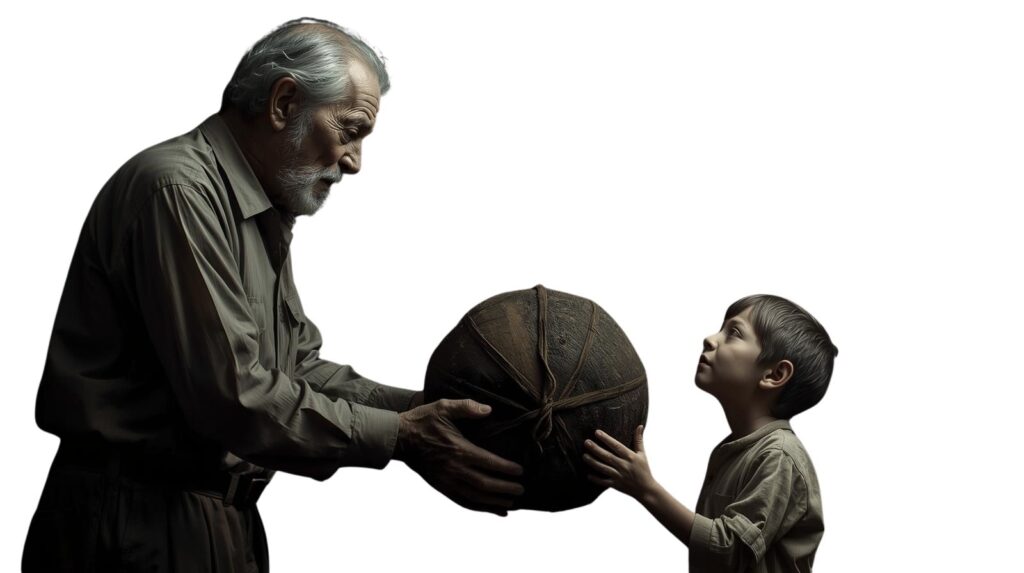
Families shape our behaviors, and they teach us both good and bad. When we talk about generational trauma, we talk about the unhealthy patterns repeating across generations. Many of us have faced this and wondered, ‘how do we stop it?’
First, let’s explain what ‘trauma’ means. The word ‘trauma’ comes from Greek and means ‘wound’. In a person’s life, trauma can be seen as a wound to the nervous system.
Too much stress, whether built up over time or happening in a single, dramatic event, can overwhelm the nervous system until it stops working well. The stress gets stuck in the nervous system, creating trauma = a wound.
Children are especially sensitive to trauma because their nervous systems are still developing. An unhealthy emotional environment is enough to cause trauma in a child.
Generational trauma happens when deep emotional issues go unresolved. Often, no one talks about or even understands what is wrong, but the family members keep struggling with their emotional and physical health, communication, and relationships.
Trauma or just daily troubles?
All families have disagreements. So how do we know if it’s trauma and not just normal, everyday problems?
Generational trauma is an unhealthy emotional pattern in a family. Unlike short-term issues, it sticks around and doesn’t resolve itself.
To recognize generational trauma, we can start by noticing unhealthy behaviors or emotional reactions that keep showing up. Family members might often feel angry, sad or afraid, have troubled relationships, or struggle with anxiety, depression, or substance abuse.
Here’s an example:
In a family, the grandfather went to war when he was young. The war was tough, and to cope, he hardened himself and began hiding his softer feelings. When the war ended, he remained that way. Later, he became a father, and he parented his son in a harsh and critical way because of his emotional wounds.
His son one day grows up and becomes a father, and he repeats the same harsh criticism with his own children. He thinks being a good parent means showing ‘tough love,’ because that’s what his father taught him. But all the criticism hurts his children’s self-esteem and well-being. The family feels strict, critical, and cold.
The children in this family react differently. One becomes nervous and anxious, and another turns to drugs or alcohol to relieve the stress. Another develops health problems like cancer or autoimmune disease from alle the years of bottled-up anger and sadness.
If they don’t work on their trauma, they will pass it on to their children, and create yet another generation with mental and physical health problems. The cycle of trauma continues, as each generation repeats the dysfunction in one way or another.
Most parents genuinely want what’s best for their children, but life can derail them and undermine their ability to connect. The war veteran from the family above would probably have wanted to connect with his children, but didn’t know how.
Healing is possible
So, how do we break the cycle? How can we heal from generational trauma?
To heal, we need to look at our family’s emotional wounds from the past and the present. Finally, someone needs to face the family trauma. Generational trauma grows when it’s hidden or ignored. Facing it instead of denying it is the first and important step toward healing.
A good way to start is to write down family patterns or emotional reactions that keep happening. This help us see what needs attention.
If you’re unsure whether your family’s problems are linked to trauma, ask yourself these questions:
- Do you feel tense or anxious at family gatherings?
- Are there topics everyone avoids?
- Do some relatives make you feel strong negative emotions?
- Are there mental health issues, substance abuse problems, or dysfunctional relationship patterns in your family?
- Do you struggle with unhealthy relationships or attachment issues?
- Do you often feel anxious, depressed, numb, detached, angry, shameful, or guilty without a clear cause?
These questions can help you notice unhealthy patterns, even if you don’t connect them to trauma at first.
If you can, try to have open and honest talks with your family. Let everyone share their feelings. This can help bring hidden issues to light and build understanding. Family therapy is also a good option as a safe space for everyone to talk.
Your family might not want to join in exploring generational trauma. This can be tough, but you can still work on your healing. You can try individual therapy or support groups to work through your own and your family’s issues.
Talking to a therapist can help you understand trauma and how it affects your family. It’s normal to feel unsure, and learning about family dynamics usually takes time.
You can also try self-help books or join online communities. Some popular books are ‘The Body Keeps the Score’ by Bessel van der Kolk, ‘It Didn’t Start with You’ by Mark Wolynn, and When the body says no by Gabor Maté.
Healing is a complex process that takes time. Go at your own pace and choose what works best for you. Trust your instincts, respect your boundaries, and most importantly, be gentle with yourself.
❤️
Read our review on Gabor Matés book When the body says no and learn more about how generational trauma manifests in the body