

The Self-Preservation Instinct: Taking Care of Practical Life
The self-preservation instinct is the grounded and practical instinct of the Enneagram. Discover how this primal drive shapes your life, your habits and your relationships.
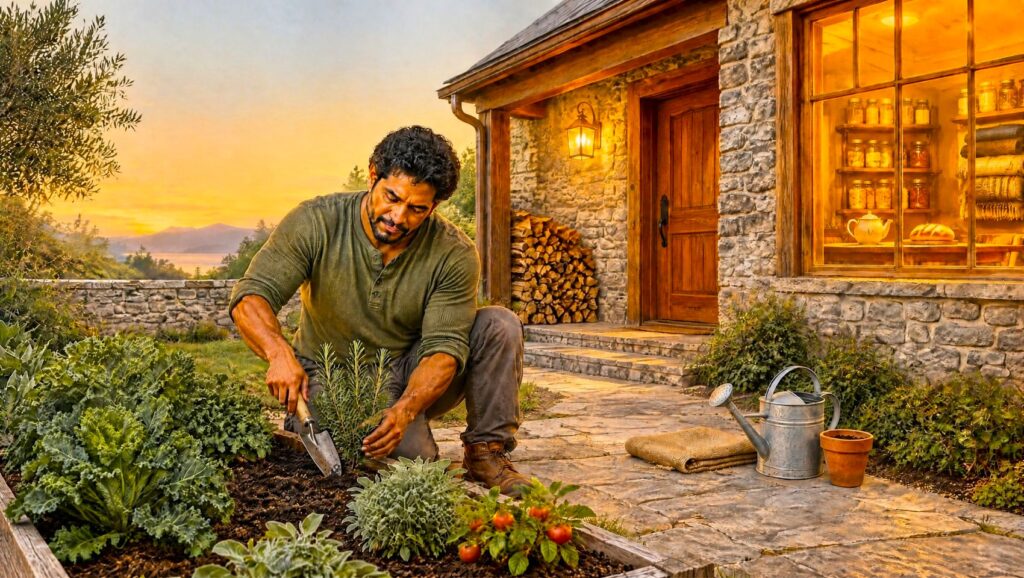
Have you ever met someone who always notices the temperature of a room, knows exactly when they need a snack, and loves creating a cozy, safe home? Or perhaps you are that person. You track your energy levels, worry about your savings account, and prioritize a good night’s sleep.
In the Enneagram system, this focus is not just a random personality trait. It is driven by the self-preservation instinct.
This instinct is one of three instincts that we all have. The instincts appear in a personal order called your instinctual stacking (dominant instinct, support instinct, blind spot).
👉If you are new to the instincts, read our full guide on the instinctual variants.
What is the Self-Preservation Instinct?
The self-preservation instinct is our basic survival drive. Long before we had modern houses, supermarkets, and bank accounts, our ancestors lived in a dangerous world. To survive, their bodies had a brilliant internal radar. This radar asked two simple questions: Am I safe right now, and do I have enough resources to survive tomorrow?
In the Enneagram, we call this radar the self-preservation instinct (often shortened to SP).
If SP is the dominant drive in your instinctual stacking, your attention goes toward the physical world. Your brain is wired to track your body, your health, your money, and your surroundings. You focus on building a stable foundation so you can feel safe in an unpredictable world.
The Three Pillars of Self-Preservation
The self-preservation instinct is focused on these three areas:
- 1. Health and Wellness: You check how your body feels. People with a strong SP drive are mostly aware of physical pain, hunger, tiredness, and sickness. They often care about their health and diet.
- 2. Resources and Security: This is about money, career and practical stuff. Having a solid savings account or a secure job is not about greed—for an SP dominant type, it is a basic need for mental peace.
- 3. Home and Comfort: This is the desire to build and protect a physical ‘nest’. SP types have a natural talent for managing the material world. They are often good at building and repairing objects and environments. They know how to keep a home functional and organized, creating a warm retreat where they can rest and reset.
In short, a healthy self-preservation drive keeps you rooted. It allows you to build a stable life where your physical needs are met.
The Dark Side: Worry, Burnout and Fear of Change
However, because this instinct is a drive for basic survival, it easily gets caught up in fear.
Ironically, the very instinct that is supposed to protect you can turn into stress, anxiety, and burnout.
When that happens, the healthy desire for safety turns into constant worry. You might obsess about money, notice every tiny symptom in your body, or think the world is chaotic and unsafe. You constantly feel like you are short on time, money, or energy.
People with a dominant SP-drive can also fear change, because it feels like a threat to the stable life they have build for themselves. However, sometimes life needs change. We may have to change jobs, start new habits, or rethink our relationships. SP-dominant types might wait too long to make necessary changes, which can cause problems to build up even more.
Self-Preservation Instinct as Blind Spot
The opposite is true for people with self-preservation as a blind spot. They might not fear change, but they were never that grounded to begin with.
If you have a weak self-preservation instinct, you tend to forget about the practical side of life.
For example, you might forget to eat or eat too much, skip doctor appointments, or push your body past its limits. You might live paycheck to paycheck without worrying about tomorrow, or let things around the house break down without trying to fix them. In general, dealing with practical issues tends to feel draining.
Living with an SP blind spot is like driving a car without looking at the fuel gauge or servicing the engine. You might have great relationships or lots of passion, but eventually, you will run out of fuel.
How to Work With Your SP Instinct
No matter where your SP-instincts sits in your personal order, you can try to make it healthier.
- If you overuse this instinct: Practice letting go of control. Remind yourself that you cannot predict every danger, and that you are safe in the present moment. Allow yourself to rest without feeling guilty. Make changes when it is needed.
- If this instinct is your blind spot: Take care of your physical body and your home. Remind yourself to eat and drink healthily, exercise and prioritize rest. Check for things in your environment that need repair or care. Start your day with somatic grounding – feel your feet on the floor and connect with your physical energy
The Self-Preservation Instinct in Relationships
Our instincts do not go away when we fall in love. In fact, they very much shape how we act in romantic relationships and friendships.
If you are an SP-dominant type, you often show love through practical care. You make sure the house is warm, the finances are stable, and your partner is physically comfortable. However, your patterns also come with some challenges:
- The Need for a Fortress: You need a physical space where you can retreat and close the door. If a partner invades your space or disrupts your routines too much, your nervous system feels threatened.
- Practicality Over Sparks: You focus on the practical side of life – paying bills, grocery shopping, and fixing things around the house. If your partner has a different dominant instinct, they might complain that you focus more on the chores than on emotional intimacy.
- Routine and Safety: You need a predictable partner. Sudden changes in plans, financial risks, or chaotic emotional drama can easily feel stressful.
If you understand these traits, it helps you communicate your needs to your partner. You can explain that your need for routine and order is not a rejection of them – it is simply how your body finds safety.
(❤️To learn more about how the instincts shape your Enneagram type, read the subtype descriptions by Enneagram experts.)
From Grounding to Intensity: Moving from the Self-Preservation to the Sexual Instinct
Your Enneagram type shows you why your mind thinks the way it does. But your instinctual stacking shows you where your body spends its energy. By knowing your instinctual stacking, you can build a lifestyle that fits your personal needs.
The self-preservation instinct is your grounding instinct, the one that sustains your practical life and physical body. In our next article, we will step out of the physical nest and explore the electric, high-intensity energy of the second biological drive in our stacking: The Sexual Instinct.